What Is a Solar Panel
Mastering Solar Efficiency: Types, Tech, and Performance
What’s a Solar Panel?
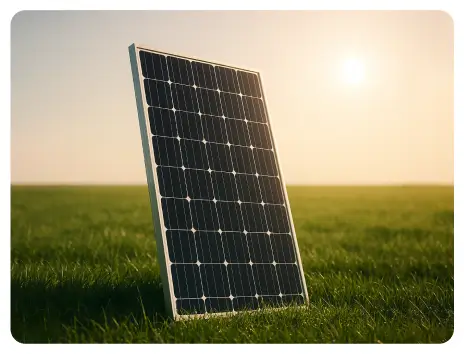
In simple terms, a solar panel (Photovoltaic module) is a specialized device that captures sunlight and converts it into clean electricity. These panels are constructed from high-grade silicon solar cells. When sunlight hits these cells, it creates an electrical field.
By installing a custom-designed system on your roof, Aussie Led Solar helps you tap into a renewable power source that significantly reduces your monthly utility costs and carbon footprint.
How Does a Solar Panel System Work? (Step-by-Step)
The Solar Energy Process:
- Light Absorption: Solar PV cells capture photons from sunlight.
- DC Current Generation: This interaction creates Direct Current (DC) electricity.
- Solar Inverter Conversion: An inverter converts DC power into Alternating Current (AC)—the standard electricity used by household appliances.
- Energy Distribution: Power is sent to your home, stored in a solar battery, or fed back to the grid for credits.
How Does A Mono PERC Solar Panel System Work?
- Higher energy output
- Better low-light performance
- Compact design requiring less roof space
- Longer lifespan and reliability
Key Benefits of Choosing Mono PERC Panels:
- Superior Energy Yield: Achieve higher wattage from the same amount of sunlight.
- Enhanced Low-Light Functionality: Continue generating power efficiently during cloudy days or in the early morning and late evening.
- Space-Efficient Installation: Their high power density means you need fewer panels to meet your energy goals, making them perfect for smaller roofs.
- Proven Durability: Engineered by Aussie Led Solar partners for long-term reliability and a sustained lifespan in the harsh Australian climate.

Advanced Solar Technologies: Bifacial vs. Half-Cell
What is a Bifacial Solar Panel?

What is a Half-Cell Solar Panel?
Half-cell technology involves laser-cutting traditional cells in half. This reduces internal “resistive” power loss.
- Shade Tolerance: If the bottom half of a panel is shaded, the top half continues to produce power at 100% capacity.
- Reliability: Lower operating temperatures increase the longevity of the module.
Got Questions About Solar? Need a professional energy audit or a quote on the latest panel technology?
Solar Panel Life Expectancy & ROI
Factors affecting solar longevity:
- Panel Grade: We only use high-durability silicon cells.
- Installation Quality: Proper mounting prevents “hot spots” and micro-cracks.
- Maintenance: Occasional cleaning ensures maximum light absorption.
How Many kWh Per Day Does a Solar System Produce?
System Size
Average Daily Yield (kWh)
3kW System
Approx. 12 kWh/day
5kW System
Approx. 20 kWh/day
5kW System
Approx. 20 kWh/day
10kW System
Approx. 40 kWh/day
Choosing the Best Solar Panels for Your Home
- Roof Orientation: North-facing vs. East/West splits.
- Shading Analysis: Identifying nearby trees or structures.
- Consumption Patterns: Matching solar production to your peak usage times.
Choosing the Right Solar Panel for Your Needs
With so many technologies available—monocrystalline, bifacial, PERC, half cell—it’s important to consult a trusted solar provider who can assess your property and recommend the most efficient solution. Factors such as roof size, shading, energy usage patterns, and future expansion plans all influence the best choice for your installation.